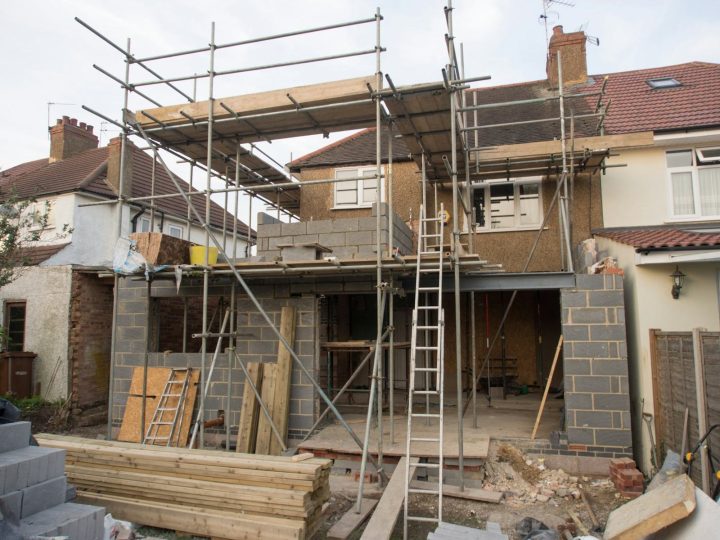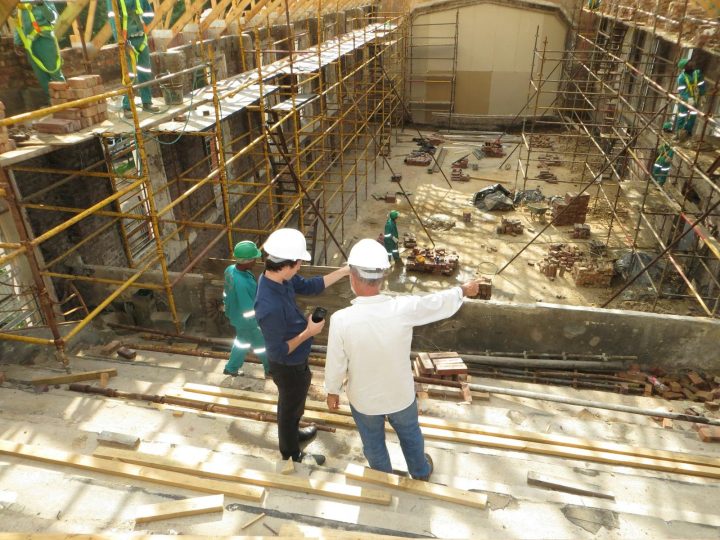

Running over budget is the most common worry we hear from homeowners planning a renovation. The good news is that most overspends are predictable. They come from costs that were never in the budget in the first place, or from changes made once work has started.
Here is how to build a budget that holds up.
1. Start with a clear scope
A budget is only as good as the description of the work behind it. Before asking for prices, write down exactly what you want: which rooms, what changes, and the level of finish. The clearer the scope, the more accurate and comparable your quotes will be.
Watch for quotes that include large provisional sums, which are allowances for work that has not been fully priced. They are sometimes unavoidable, but too many of them mean the final cost is still unknown.
2. Include everything, not just the build
A realistic renovation budget usually includes:
- Construction costs: labour, materials, plant and waste removal.
- Professional fees: design, structural engineering, surveys and, where needed, party wall surveyors.
- Approval fees: planning applications and building control charges.
- Fixtures and finishes: kitchens, bathrooms, flooring, tiles and lighting, which are often chosen and bought separately.
- Temporary costs: storage, or alternative accommodation if you need to move out.
- VAT, if it is not already shown in your quotes.
3. Understand VAT
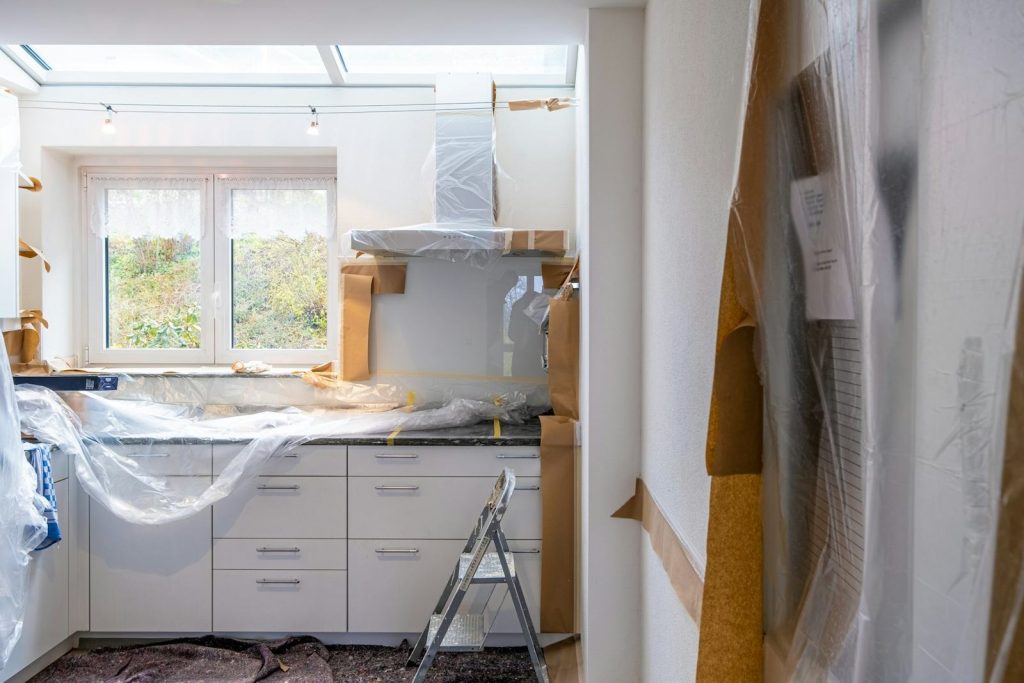
Most renovation work is charged at the standard 20% rate of VAT. There are exceptions: renovating a home that has been empty for at least two years, or converting a building into a different number of homes, can qualify for a reduced 5% rate, and building a brand-new home is usually zero-rated. The rules are detailed, so check HMRC guidance or ask an accountant before relying on them.
4. Add a contingency, and protect it
Every renovation should have a contingency, a sum set aside for the unexpected. Around 10% of the build cost is a common starting point for straightforward work in newer homes. For older properties, where hidden problems such as rotten timbers, poor wiring or damp are more likely, 15 to 20% is more realistic.
Treat the contingency as money for genuine surprises, not for upgrades. If you decide to upgrade the kitchen half-way through, that should come from a separate budget.
5. Agree how changes will be handled
Changes are the biggest cause of budget creep. Before work starts, agree with your builder that any change will be priced and confirmed in writing before it goes ahead. That way you can decide whether it is worth it while you still have a choice.
6. Plan payments in stages
Pay in stages linked to completed work, not large sums up front. A typical schedule ties payments to milestones such as foundations, roof on, first fix and completion, with a small amount held back until snagging is finished.
If you would like a second pair of eyes on your budget or a detailed, itemised quote for your renovation, contact us. We are happy to talk it through.
Planning a renovation?
Get a clear, itemised quotation with no vague allowances. Request a call back or message us on WhatsApp.